Millets are often called ancient grains, but their relevance today has never been greater. With rising concerns around diabetes, digestion, heart health, and sustainable food choices, many people are turning back to millets — yet confusion remains about their real benefits and correct use. This in-depth guide explains the health benefits of millets clearly and responsibly, combining modern nutrition science with traditional dietary wisdom to help you understand how millets truly fit into a healthy lifestyle.
Introduction: Why Millets Matter More Than Ever
For centuries, millets quietly sustained civilizations across Asia and Africa. They were not marketed as “superfoods” or discussed in scientific journals, yet they formed the backbone of everyday diets. Farmers relied on them for their resilience, families trusted them for nourishment, and traditional food systems respected them as dependable staples.
Over time, however, millets gradually disappeared from daily meals. The widespread availability of polished rice and refined wheat, along with changing food habits and industrial processing, pushed these ancient grains aside. What followed was a noticeable shift in public health — rising rates of diabetes, digestive disorders, obesity, micronutrient deficiencies, and lifestyle-related illnesses.
Today, interest in millets is returning — not because of trends, but because people are searching for sustainable, nutrient-dense, and balanced foods. Modern nutritional science is now confirming what traditional diets always understood: millets support long-term health when eaten correctly and consistently.
This article is a complete, science-informed, and tradition-respecting guide to the health benefits of millets. It explains their nutritional value, how they affect the body, their role in traditional diets, and why they deserve a place in modern eating patterns — without hype, exaggeration, or confusion.
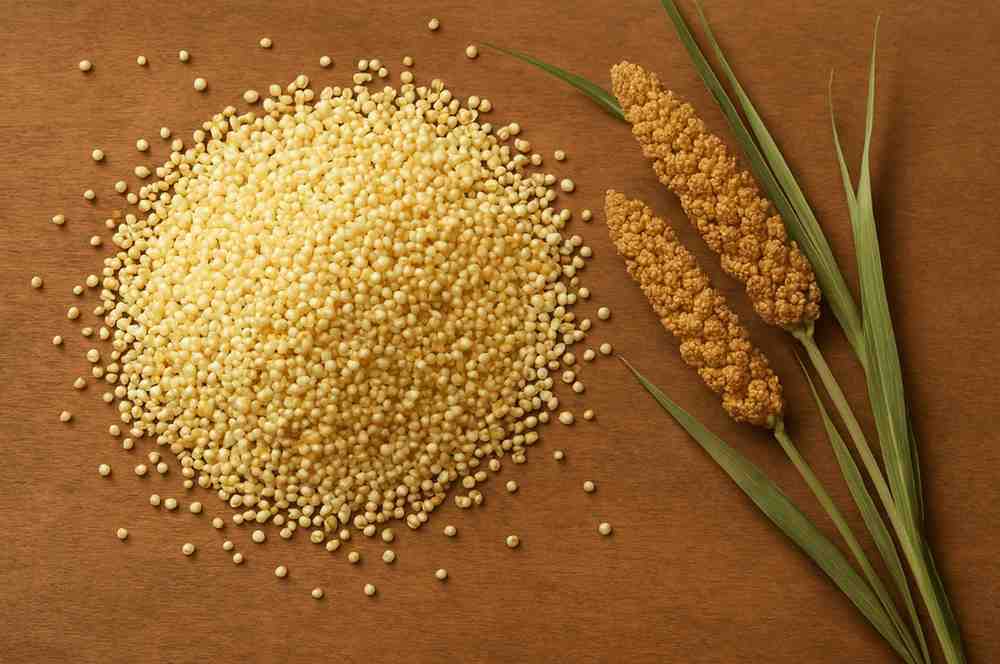
What Are Millets? A Simple and Clear Explanation
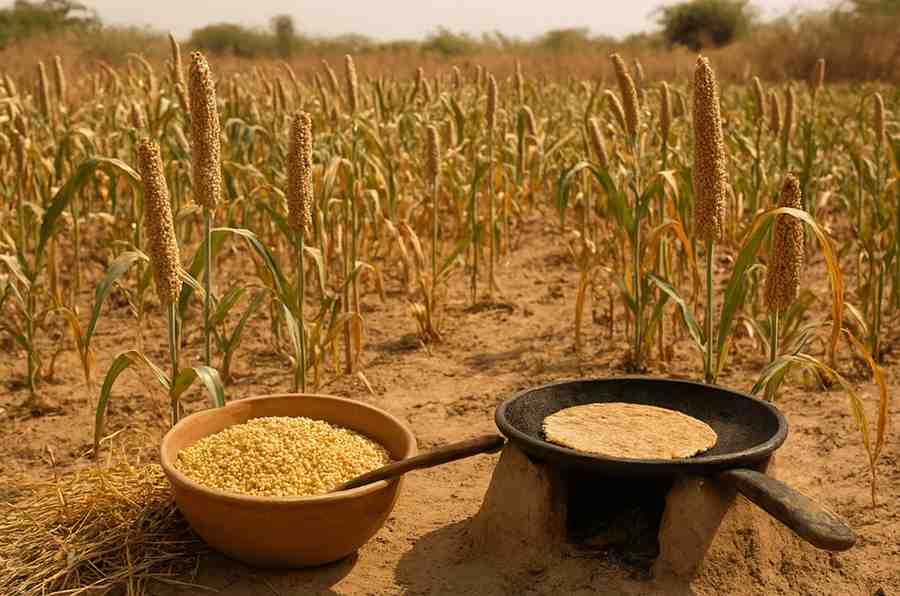
Millets are a group of small-seeded cereal grains belonging to the grass family (Poaceae). They are cultivated primarily in Asia and Africa and are known for their ability to grow in challenging environmental conditions such as low rainfall, poor soil fertility, and high temperatures.
Unlike refined grains, millets are typically consumed as whole grains, meaning they retain:
- The bran (fiber-rich outer layer)
- The germ (nutrient-dense core)
- The endosperm (energy-providing starch)
This intact structure is central to their health benefits.
Key Characteristics of Millets
- Naturally gluten-free
- High in dietary fiber
- Rich in essential minerals
- Contain slow-digesting carbohydrates
- Require minimal processing
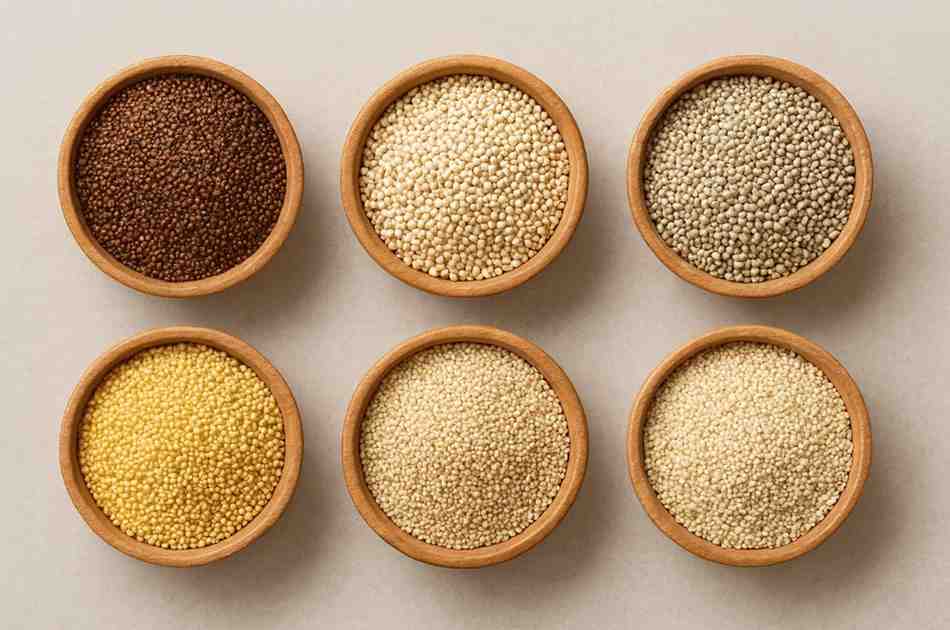
Millets are not a single grain but a family of grains, each with unique nutritional strengths and culinary uses.
Why Millets Are Different from Refined Grains
To understand the health benefits of millets, it is important to see how they differ from commonly consumed refined grains.
Refined Grains
- Polished rice and refined wheat flour have their bran and germ removed
- Fiber and minerals are significantly reduced
- Digested quickly, leading to rapid blood sugar spikes
- Provide calories but limited nutrition
Whole Millets
- Retain natural fiber and nutrients
- Digested slowly
- Support steady energy release
- Contribute to metabolic balance
This difference in structure explains why millets behave differently in the body, especially in relation to blood sugar control, digestion, and satiety.
Historical and Cultural Importance of Millets
Millets have been cultivated for over 7,000 years, making them among the oldest known food grains.
Millets in Ancient Civilizations
- In the Indian subcontinent, millets were staples in regions with low rainfall
- In Africa, they supported food security in arid and semi-arid zones
- In China, millets were among the earliest cultivated crops
They were deeply integrated into:
- Daily meals
- Seasonal food practices
- Religious rituals
- Community traditions
Millets were valued not only for nourishment but also for their reliability and resilience.
Why Millets Are Being Rediscovered Today
The renewed interest in millets is driven by multiple interconnected factors:
- Rising Lifestyle Disorders
Modern diets high in refined carbohydrates and low in fiber are linked to:
- Type 2 diabetes
- Obesity
- Cardiovascular disease
- Digestive issues
Millets offer an alternative that supports metabolic health.
- Growing Awareness of Gut Health
The importance of dietary fiber and gut microbiota is now widely recognized. Millets naturally support gut health due to their fiber and resistant starch content.
- Environmental Sustainability
Millets:
- Require less water than rice
- Grow without heavy chemical inputs
- Are resilient to climate stress
This makes them environmentally responsible choices.
- Interest in Traditional Diets
There is increasing respect for traditional food systems that sustained populations long before industrial food processing.
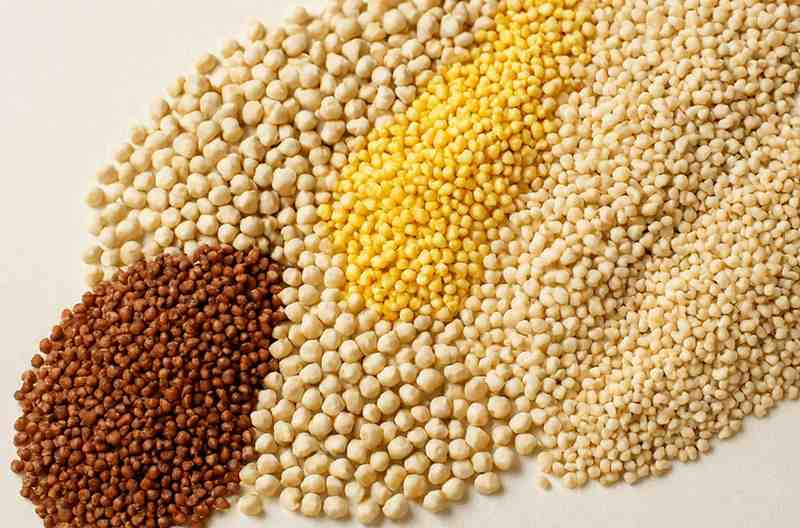
While millets offer numerous benefits, it is important to approach them with balance and understanding.
Millets are:
- Supportive foods, not miracle cures
- Beneficial when eaten in appropriate portions
- Most effective when part of a diverse diet
Health outcomes depend on:
- Individual metabolism
- Cooking methods
- Overall dietary patterns
- Lifestyle factors
This article explores the health benefits of millets realistically and responsibly, avoiding exaggerated claims.
What This Guide Will Cover
In the sections ahead, we will explore:
- The nutritional profile of millets
- How millets affect blood sugar and metabolism
- Their role in heart health and digestion
- Benefits for weight management
- Antioxidant and anti-inflammatory properties
- Traditional dietary wisdom
- Practical considerations and precautions
Each section builds logically, so readers can understand not just what millets do, but why they do it.
Health Benefits of Millets: A Complete Guide to Nutrition, Wellness, and Traditional Wisdom
To understand why millets support health in so many ways, we must first examine what they provide nutritionally and how the body responds to these nutrients. The health benefits of millets are not accidental; they are a direct result of their unique nutritional composition.
Unlike refined grains, millets retain their natural structure, allowing them to deliver balanced nourishment rather than empty calories.