Introduction
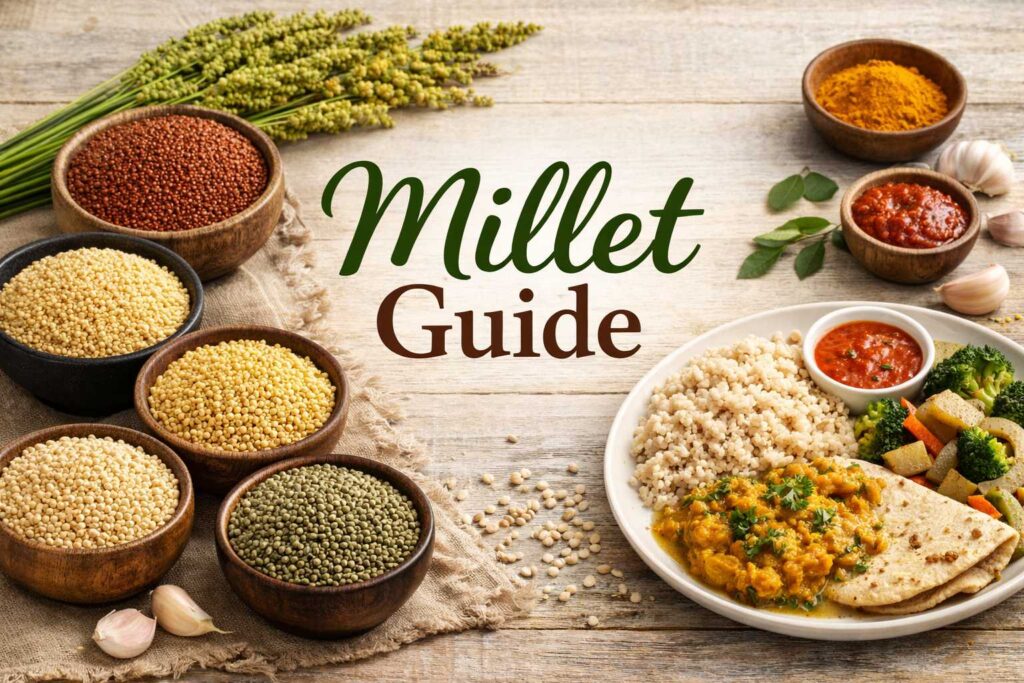
Millets are among the oldest cultivated grains in the world, yet they are making a strong comeback in modern diets. Once considered a staple in traditional Indian households, millets were gradually replaced by rice and wheat due to changing agricultural practices and consumer preferences. Today, with rising health concerns, lifestyle diseases, and environmental challenges, millets are being rediscovered as a powerful, sustainable, and nutritious food source.
This complete guide will help you understand everything about millets — from their types and nutritional value to their health benefits and practical ways to include them in your daily diet. Whether you are a beginner or someone looking to shift towards healthier eating, this guide will serve as your foundation.
What Are Millets?
Definition of Millets
Millets are a group of small-seeded grasses cultivated as cereal crops, primarily grown in Asia and Africa. They are known for their resilience, ability to grow in harsh climates, and high nutritional value.
Unlike refined grains, millets are whole grains, meaning they retain their bran, germ, and endosperm. This makes them rich in fiber, vitamins, and minerals.
History and Origin of Millets
Millets have been cultivated for thousands of years. In India, they were a staple food long before rice and wheat became dominant. Ancient civilizations relied on millets because they were easy to grow, required less water, and could withstand extreme weather conditions.
Regions like Rajasthan, Karnataka, and parts of Africa have historically depended on millets as their primary food source.
Why Millets Are Called Smart Foods
Millets are often referred to as “smart foods” due to three major reasons:
- Good for you: High in nutrition and beneficial for health
- Good for the farmer: Require less water and inputs
- Good for the planet: Environmentally sustainable
Types of Millets
Millets are broadly classified into major millets, minor millets, and pseudo millets.
Major Millets
These are widely cultivated and commonly consumed.
- Jowar (Sorghum)
Rich in fiber and antioxidants, widely used in roti. - Bajra (Pearl Millet)
High in iron and energy, ideal for winter consumption. - Ragi (Finger Millet)
Excellent source of calcium, beneficial for bones.
Minor Millets
These are smaller in size but equally nutritious.
- Foxtail Millet
- Little Millet
- Kodo Millet
- Barnyard Millet
- Proso Millet
These millets are gaining popularity due to their health benefits and versatility.
Pseudo Millets
These are not true millets but are nutritionally similar.
- Buckwheat
- Amaranth
Nutritional Value of Millets
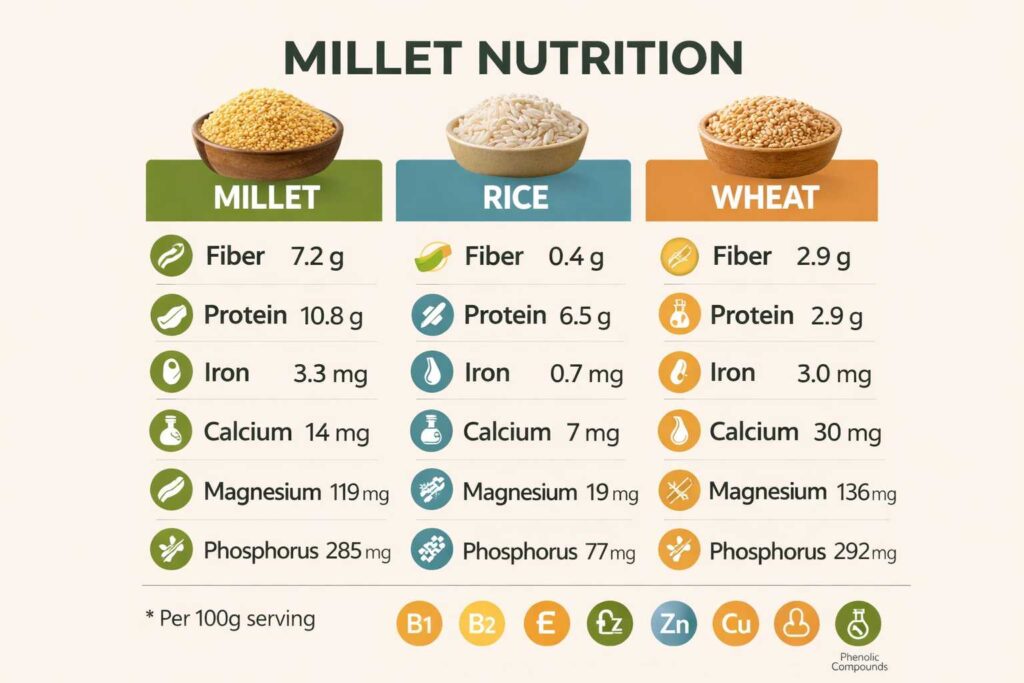
Millets are nutritional powerhouses and offer a balanced mix of macronutrients and micronutrients.
Macronutrients
- Carbohydrates: Provide sustained energy
- Protein: Higher than rice, supports muscle growth
- Dietary Fiber: Improves digestion and gut health
Micronutrients
Millets are rich in:
- Iron
- Calcium
- Magnesium
- Phosphorus
- B vitamins
Comparison with Rice and Wheat
Compared to polished rice and refined wheat:
- Millets have higher fiber content
- Lower glycemic index
- More vitamins and minerals
This makes them a superior choice for long-term health.
Health Benefits of Millets
Millets offer numerous health benefits when included in a balanced diet.
Supports Weight Loss
Millets are high in fiber, which promotes satiety and reduces hunger cravings. This helps in controlling calorie intake and supports weight loss.
Helps in Diabetes Control
Due to their low glycemic index, millets release glucose slowly into the bloodstream, making them ideal for people with diabetes.
Improves Digestion
The high fiber content aids digestion, prevents constipation, and supports a healthy gut microbiome.
Good for Heart Health
Millets help reduce cholesterol levels and improve cardiovascular health due to their antioxidant properties.
Gluten-Free Option
Millets are naturally gluten-free, making them suitable for people with gluten intolerance or celiac disease.
How to Use Millets in Daily Life
Switching to millets does not require a complete diet overhaul. Small changes can make a big difference.
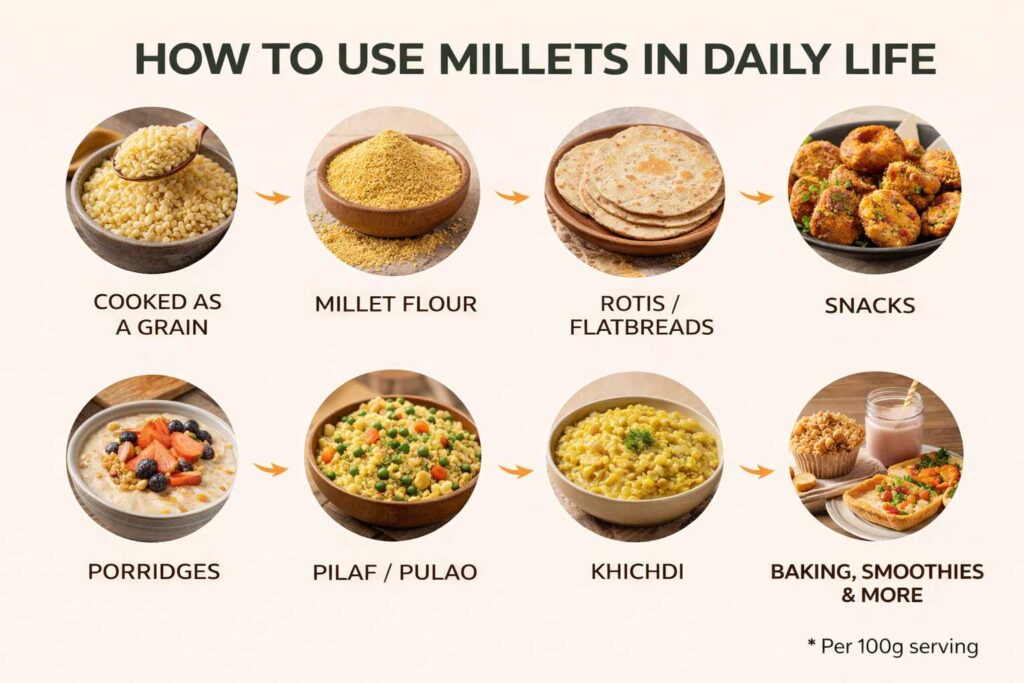
Common Ways to Eat Millets
- Millet roti
- Millet porridge
- Millet khichdi
- Millet dosa and idli
How to Replace Rice and Wheat
- Replace rice with foxtail or barnyard millet
- Use millet flour instead of wheat flour
- Mix millets gradually with your regular grains
Best Millets for Beginners
If you are new to millets, start with:
- Foxtail millet
- Little millet
- Ragi
These are easier to cook and digest.
Are There Any Side Effects?
While millets are highly beneficial, they should be consumed in moderation.
Who Should Avoid Millets
- People with thyroid issues (in excess consumption)
- Individuals with sensitive digestion (initially)
Importance of Soaking and Cooking
Soaking millets before cooking helps:
- Improve nutrient absorption
- Reduce anti-nutrients
- Enhance digestion
Why Millets Are Important for the Future
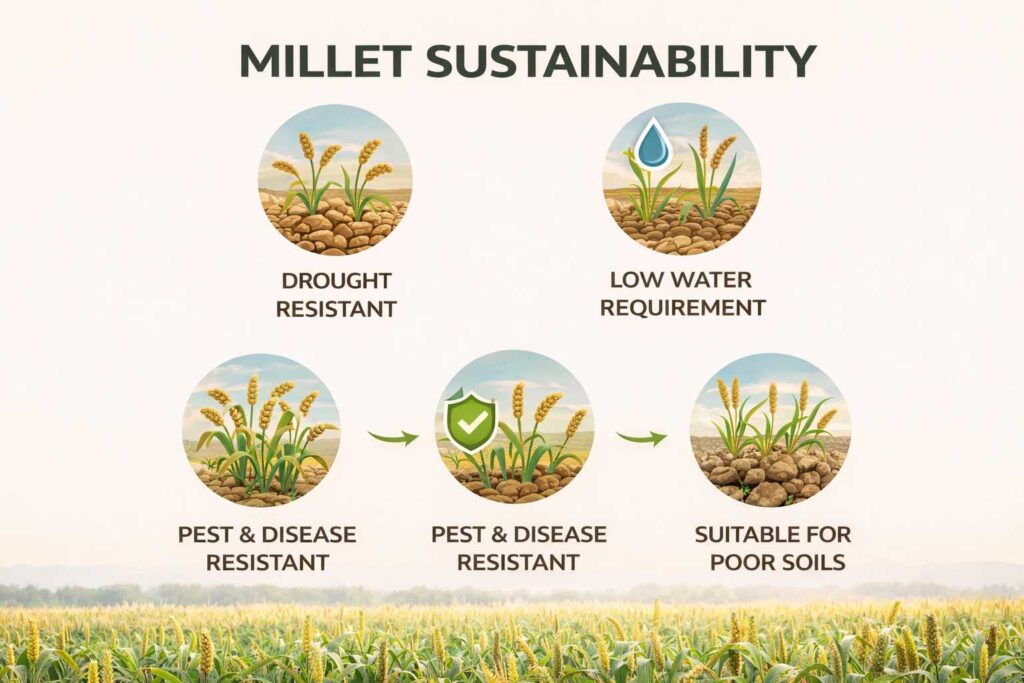
Millets are not just good for health but also for the environment.
Environmental Benefits
- Require less water
- Grow in poor soil conditions
- Resistant to climate change
Sustainable Farming
Millets support sustainable agriculture and help reduce dependency on water-intensive crops like rice.
Conclusion
Millets are a powerful combination of nutrition, sustainability, and versatility. Incorporating them into your daily diet can significantly improve your health while also contributing to environmental conservation.
Start small, experiment with different types, and gradually make millets a part of your lifestyle. The journey towards better health begins with simple choices, and millets are one of the best choices you can make.
FAQs
Are millets better than rice?
Yes, millets are generally healthier than polished rice due to higher fiber and nutrient content.
Can we eat millets daily?
Yes, but in balanced quantities along with other foods.
Which millet is best for beginners?
Foxtail millet and ragi are good starting options.
Are millets gluten-free?
Yes, millets are naturally gluten-free.